Achieve a Greener Lawn with the Help of Red Wiggler Express Lawn Care Treatments
Wiki Article
Red Wigglers: The Unsung Heroes of Organic Waste Recycling
Red wigglers, or Eisenia fetida, offer as vital agents in the organic waste recycling procedure, transforming thrown out products right into useful vermicompost. As the world increasingly looks for options to fight waste buildup and enhance agricultural productivity, understanding the role of these worms ends up being vital.What Are Red Wigglers?
The amazing durability of red wigglers, medically called Eisenia fetida, highlights their vital duty in natural waste recycling. These small, reddish-brown earthworms are typically discovered in decaying raw material, such as compost heap and manure lots. Lake Hickory Bait. Unlike various other earthworm types, red wigglers thrive in nutrient-rich environments and are extremely effective at damaging down natural materials, making them crucial for vermicomposting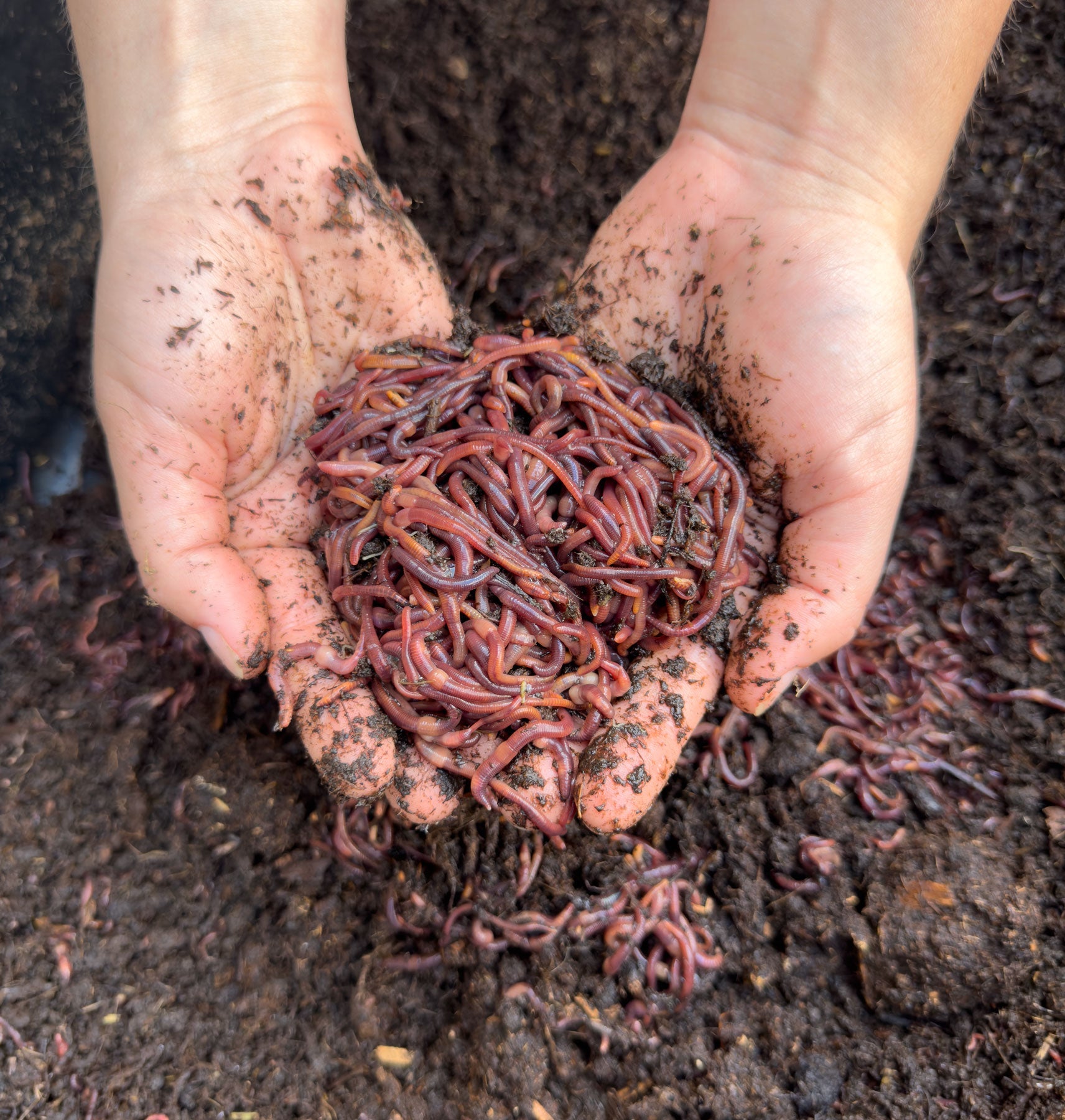
(Lake Hickory Bait)In enhancement to their function in waste decrease, red wigglers contribute to dirt wellness by enhancing dirt structure and aeration with their delving activities (Lake Hickory Bait). Their presence in composting systems not only boosts disintegration rates yet likewise promotes a lasting strategy to waste monitoring, showing their importance in environmental conservation efforts
Advantages of Composting With Worms
Composting with worms, especially red wigglers, provides various advantages that enhance both waste monitoring and soil health and wellness. First, these worms effectively break down organic waste, transforming it right into nutrient-rich vermicompost that improves soil. This procedure accelerates decomposition, permitting a quicker recycling of kitchen scraps and various other organic products compared to standard composting techniques.In addition, the vermicompost generated by red wigglers is including helpful bacteria, which aid enhance soil structure, aeration, and moisture retention. This boosts the general health and wellness of plants, promoting vigorous development and boosted returns in yards and agricultural settings. The usage of worms in composting minimizes the manufacturing of greenhouse gases, such as methane, contributing to a more sustainable waste monitoring system.

Just How to Begin Vermicomposting
Developing a vermicomposting system is a simple procedure that can produce considerable benefits for both waste monitoring and soil enrichment. To start, pick an ideal container, such as a plastic bin or wooden box, with adequate ventilation openings to make certain appropriate air flow. The measurements must preferably be about 2 feet by 3 feet, allowing enough area for the worms to thrive.Next, prepare bed linen product, which can be composed of shredded paper, cardboard, or coconut coir. This bed linen needs to be dampened to create an appropriate environment for the worms. When the bedding remains in location, introduce red wigglers (Eisenia fetida) into the bin, normally around one extra pound of worms for every single square foot of surface location.
Following the positioning of worms, add organic waste, such as fruit and vegetable scraps, coffee premises, and smashed eggshells. With these steps, you will effectively launch a vermicomposting system that adds to lasting waste administration and enriches your dirt.
Keeping a Healthy And Balanced Worm Container
(Red Wiggler Express)Keeping a informative post worm container flourishing calls for routine attention and treatment to ensure the wellness of the red wigglers and the effectiveness of the composting process. Appropriate upkeep begins with monitoring the dampness levels; the container should perspire yet not soaked. A good regulation of thumb is to maintain an uniformity comparable to a wrung-out sponge.Aeration is crucial as well. Carefully blending the bed linens and food scraps every couple of weeks stops compaction and ensures that all worms have accessibility to oxygen. In addition, it is essential to feed the worms properly. A balanced diet of vegetables and fruit scraps, coffee premises, and crushed eggshells need to be used in small amounts to prevent overfeeding, which can cause smells and parasites.
Temperature law is one more vital aspect. Red wigglers thrive in a variety of 55 to 77 degrees Fahrenheit. If the container ends up being as well warm or cold, the worms may end up being stressed out - Lake Hickory Bait. Periodically check for signs of health, such as worm populace development and the presence of healthy and balanced spreadings. By diligently taking care of these variables, one can keep a durable and effective worm container.
Impact on Sustainable Living
The successful upkeep of a worm container not only benefits the health of red wigglers but additionally adds dramatically to lasting living practices. By reusing natural waste, such as kitchen scraps and yard particles, red wigglers help divert substantial quantities of material from land fills. This decrease in waste not only decreases greenhouse gas exhausts however also minimizes the ecological concern related to waste administration.Additionally, the castings created by red wigglers serve as a nutrient-rich natural plant food, enhancing dirt health and advertising plant growth. This all-natural option to chemical fertilizers supports sustainable agriculture and gardening methods, decreasing reliance on artificial inputs that can harm ecosystems. In addition, worm composting fosters recognition of waste monitoring, encouraging people and communities to embrace even more lasting practices.
Conclusion
In summary, red wigglers offer as crucial factors to organic waste recycling through their reliable disintegration of organic materials. By integrating vermicomposting right into waste monitoring methods, people and neighborhoods can substantially decrease waste while promoting environmental sustainability.Report this wiki page